
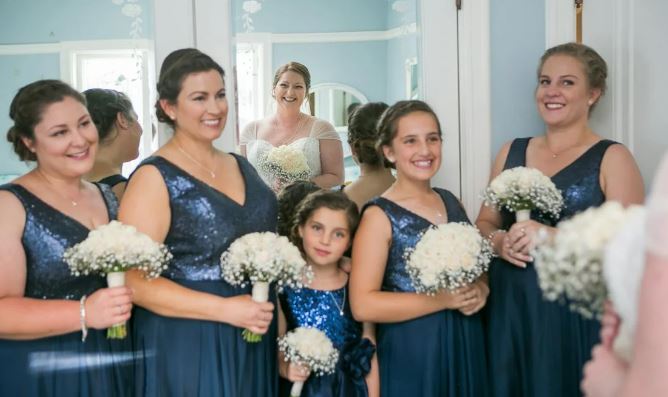
Bridesmaid alterations are the most reliable way to make bridesmaid dresses fit beautifully, feel comfortable, and look consistent in wedding photos on your wedding day. Need wedding attire that fits perfectly and comfortably? We’ve got you covered! Brisbane brides (and bridal parties) can transform their look without breaking the bank by planning early, choosing the right specialist, and making smart alteration decisions that prevent last-minute dress stress on your special day.
Why Bridesmaid Dress Alterations Are Essential for a Polished Look
Bridesmaid dresses are designed to fit a wide range of body shapes, but “standard sizing” rarely creates a perfectly fitting result for every bridesmaid. Even when everyone orders the same style and colour, small differences in bust shape, waist-to-hip ratio, height, posture, and shoulder slope can change the way a dress sits and photographs.
Here’s why bridesmaid alterations matter so much:
- Photos reveal everything: wrinkles, pulling seams, gaping necklines, and uneven hems show up in every group shot.
- Fit affects confidence: if a dress slides off the shoulders or feels tight through the ribs, your bridesmaid won’t relax, pose naturally, or feel comfortable.
- Comfort prevents distractions: no one wants to spend the reception tugging at straps, lifting a skirt, or worrying about a zipper.
- Uniformity supports the bridal aesthetic: coordinated lengths, aligned waistlines, and balanced necklines elevate the entire bridal party.
It’s also worth knowing that alterations are not only for bridal gowns and wedding dress alterations. In a bridal party, bridesmaid dresses often need just as much tailoring attention to look intentional and polished.
Expert note: Most dresses need small changes even when the size is “correct”, because bridal sizing and formal sizing vary widely by brand.
When to Start Bridesmaid Alterations and How to Plan Ahead
A smart timeline is one of the biggest stress-reducers in wedding planning, especially if multiple people need alterations at once.
A practical Brisbane timeline (low-stress version)
6 to 8 weeks before the wedding day:
- Ideal time to book an appointment for the first fitting.
- Allows time for follow-ups without rush pressure.
4 to 6 weeks before the wedding day:
- A very common and workable window for standard bridesmaid alterations.
1 to 2 weeks before the wedding day:
- Final check, pickup, steaming plan, and “movement test” (sit, walk, dance).
Planning tips when you have multiple bridesmaids
To keep it smooth and fair (and avoid last-minute panic), it helps to:
- Confirm the shoe style early (heel height changes hems)
- Schedule fittings in the same 1 to 2-week window
- Encourage bridesmaids to avoid major “body goal” changes right before fittings (including losing weight rapidly), unless unavoidable
If someone is losing weight due to lifestyle changes, work stress, or a health plan, a good alterations specialist can often plan staged fittings so the dress still ends up perfectly fitting.
The Most Common Bridesmaid Dress Alterations Explained
Most bridesmaid alterations fall into a few predictable categories. The best part is that small adjustments often create the biggest improvement.
Common alterations (and what they solve)
- Hem shortening: prevents tripping, keeps photos clean
- Taking in the bust/waist/hips: removes wrinkling and improves shape
- Strap shortening: stops slipping and improves neckline alignment
- Side seam shaping: creates a smoother silhouette
- Adding bra cups: improves support and comfort
- Neckline reshaping (sometimes): balances modesty and style
- Zipper adjustments: improves closure and reduces pulling
Competitor bridal specialists often list hems, seams, bustles, and bodice work as their most frequent requests, and that matches what we see across formalwear.
Important: a “cheap fix” from a general tailor can sometimes create visible stitch lines or fabric puckering, especially on satin, chiffon, lace overlays, or layered skirts. This is why bridal alterations skill matters, even when working on bridesmaid dresses.
Achieving Consistent Fit Across Different Body Types
One of the hardest parts of styling bridesmaids is that “matching dresses” can still look mismatched when fit differs.
The goal isn’t to make every bridesmaid look identical. The goal is to make every bridesmaid look equally polished and equally confident.
The fit points that create consistency
- Neckline symmetry: similar height and tension (no gaping, no pulling)
- Waistline position: sitting at the same place visually
- Hem length: aligned across the group (especially in front-facing photos)
- Strap angle and tightness: prevents one dress looking looser than the others
A strong alterations Brisbane specialist will focus on balancing fit across the group while still tailoring each person individually.
If your bridal party includes varying cup sizes, heights, or body proportions, the most consistent approach is:
- Fit the bodice first
- Fit the waist second
- Hem last (based on final shoes)
This is also the same “order of operations” used for bridal gowns and wedding dress alterations, because structure determines everything else.
Hem Length, Shoes, and Dress Uniformity
Hem length is one of the most noticeable differences in bridal party photos, especially when dresses are floor-length.
Why shoes matter so much
A bridesmaid dress hem is pinned to a specific height based on:
- shoe heel height
- foot shape and stance
- how the skirt falls when walking
If a bridesmaid changes from a 7cm heel to a flat after hemming, the dress can drag. If she changes from flats to heels, the dress can rise awkwardly and look too short.
Best practice: bring the exact wedding day shoes to the fitting. This advice is widely recommended for formal alterations planning.
Uniform hem rule for bridal parties
For floor-length bridesmaid dresses, most parties aim for:
- “just above the floor” (no dragging)
- consistent height across the group in photos
That helps everyone feel comfortable walking, and it dramatically reduces the chance of a trip during the ceremony.
Bust, Waist, and Strap Adjustments for Comfort and Confidence
When bridesmaids say “it doesn’t feel right”, the issue is usually in the upper half of the dress.
Bust fit: support without squashing
A dress should:
- sit flat against the chest without gaping
- allow full breathing and natural movement
- hold its position when the wearer raises arms
Adding bra cups (or adjusting existing ones) is often the cleanest solution for formal dresses, particularly if the fabric is thin or the bodice is structured.
Waist and ribcage comfort
A dress that is too tight at the waist can:
- crease horizontally
- create “zipper strain”
- make someone avoid sitting or eating normally
A dress that is too loose can:
- twist
- drop down
- photograph as shapeless
Straps and shoulders: the silent troublemaker
Straps that are even slightly too long cause:
- sliding and constant adjusting
- neckline gaping
- uneven bodice tension
The right strap adjustment makes the dress stay in place so the bridesmaid can feel comfortable from ceremony to dance floor.
What Happens During Bridesmaid Dress Fittings
A professional fitting should feel calm, clear, and confidence-building.
In a typical bridesmaid fitting, the specialist will:
- Check the overall balance of the dress on the body
- Pin key areas (hem, straps, bust, waist)
- Confirm movement comfort (walking and sitting)
- Mark final stitch lines carefully
- Explain the plan and timeline for pickup
Depending on the fabric and the changes required, you might only need one fitting, but it’s common to need a follow-up if multiple areas are adjusted.
If the bride is coordinating several bridesmaid dresses, it can help to schedule fittings in a narrow time window so the overall look stays consistent.
What to Bring to a Bridesmaid Alterations Appointment
To get the best result fast (and avoid re-work), bring:
- Wedding day shoes (exact pair, not “similar”)
- Correct underwear or shapewear you plan to wear
- Dress accessories that affect fit (strapless bra, tape, etc.)
- Reference photos if you’re matching a specific hem look
- The wedding timeline (so we know urgency and deadlines)
This is similar to how bridal alterations appointments are prepared for wedding dress alterations, where shoes and undergarments are key to accurate pinning.
Can Bridesmaid Dresses Be Altered Up or Down in Size
Yes, in many cases bridesmaid dresses can be altered smaller or larger, but the how much depends on the dress construction.
If the dress is too big
Usually manageable, especially if:
- seams can be taken in cleanly
- straps can be shortened
- the bodice can be reshaped
If the dress is too small
This can be more limited. Whether it can be let out depends on:
- seam allowance available inside the dress
- zip structure
- fabric type and whether old stitch marks show
A wedding specialist who has experience working with formalwear, bridal gowns, and delicate fabrics can assess this quickly in a fitting.
If a bridesmaid is losing weight, it’s often safer to:
- wait closer to the wedding day for final bodice shaping
- schedule a second fitting if needed That way the final result stays perfectly fitting and comfortable.
Choosing the Right Alterations Specialist for Bridesmaid Dresses
Not all tailoring is equal, and bridal party garments are high-stakes because they’re photographed from every angle.
What to look for in the right specialist
Choose someone who offers:
- Real bridal and formalwear expertise (not just everyday hemming)
- Clear fitting timelines and communication
- Transparent pricing guidance
- Precision handling of delicate materials and finishes
- Consistent results across multiple garments
This matters because formal dresses often involve slippery satins, fragile lace, linings, zips, boning, or layered skirts, similar to bridal gowns.
A bridal-focused alterations team will understand how to:
- keep hems clean and even
- maintain the original design lines
- avoid puckering or fabric drag
- protect the fabric during stitching
This is the difference between “it’s fine” and “it looks flawless.”
Confident Bridesmaids Make the Whole Wedding Look Better
Bridesmaid alterations are not just about looking good, they’re about helping every person feel comfortable, confident, and stress-free while supporting the bride on her special day.
If you’re in Brisbane and want your bridesmaid dresses tailored with care (and without budget blowouts), we’re here to help with alterations Brisbane clients can trust, including bridal alterations, wedding dress alterations, and full formalwear tailoring.
Ready to get started? Book an appointment for a fitting and let’s make every dress perfectly fitting for the wedding day.
If you found this helpful, share it with your bridal party, or leave a comment with your biggest bridesmaid dress question and we’ll help you plan your alterations with confidence.

Leave a Reply